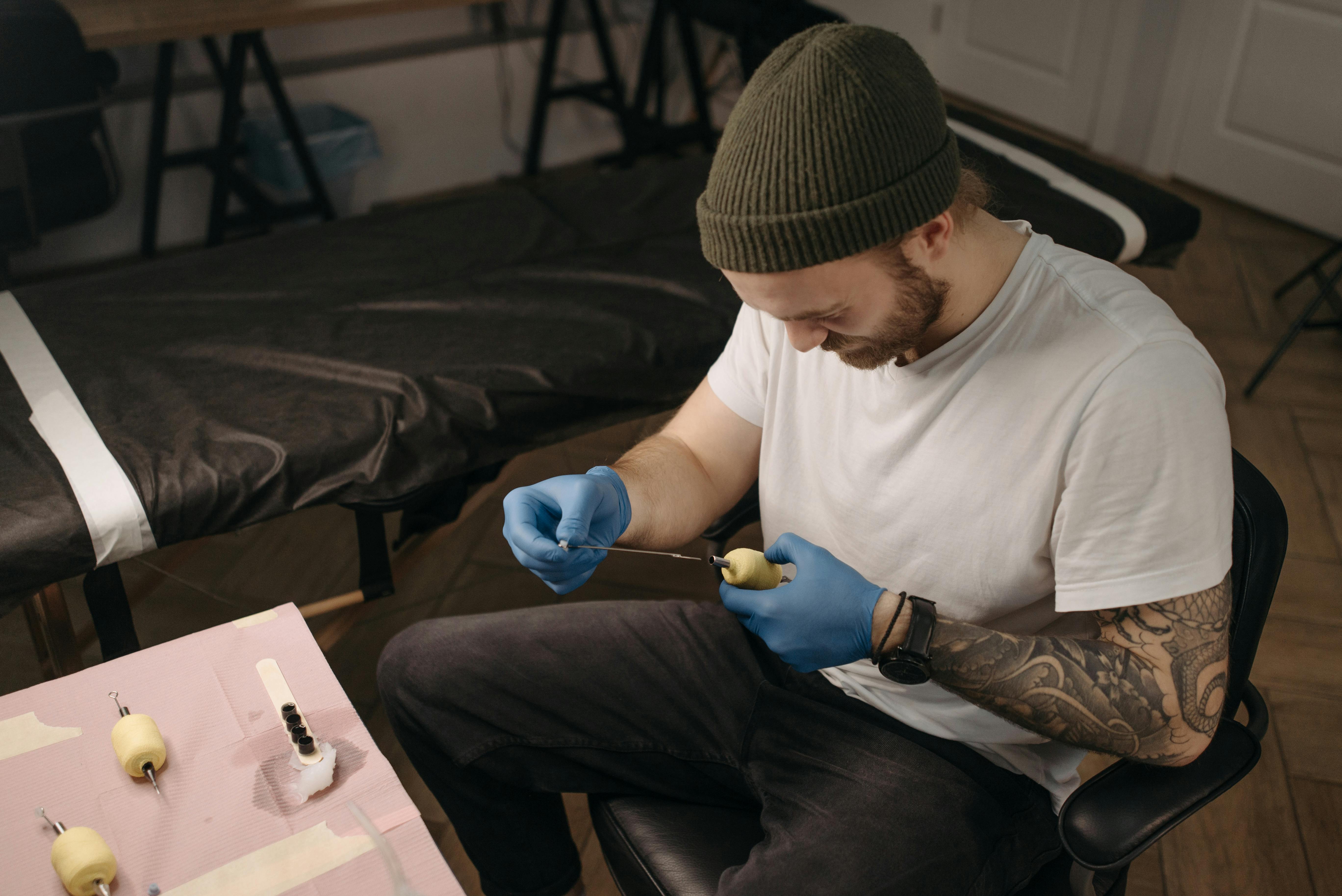
The Economic Power of Ink: Mainstream Acceptance and Growth
Once a niche market, the tattoo industry now represents a significant sector of the global fashion and lifestyle economy. Valued at over £2 billion ($2.4 billion USD) in 2025 and projected to maintain a compound annual growth rate (CAGR) of around 10% over the next decade, body art has never been more popular.
This growth is primarily driven by:
Demographic Shifts: Over 40% of Millennials and Gen Z adults in Western markets now have at least one tattoo, shedding the art form's historical stigma and integrating it into corporate and social life.
Expanding Services: Growth isn't limited to traditional tattooing. The demand for Cosmetic Tattooing (like microblading) and Laser Removal services are surging, creating a robust ecosystem around the primary art form.
The Luxury Factor: Top-tier artists, particularly in cities like London, can command high day rates, reflecting the status of high-quality, custom-designed, and long-lasting body art.
Artistic Evolution: The Age of the Hybrid Specialist
The modern client is highly informed and seeks technical excellence across diverse aesthetics. The days of a single-style studio are fading; today's most successful artists are often "hybrid specialists" who can bridge contrasting worlds.
Realism vs. Traditional: Artists are expected to deliver the intricate shading and depth of Black and Grey Realism while respecting the foundational discipline of styles like American Traditional, which demands perfect, bold line work and saturated color packing.
The Rise of Contrast: Styles like Trash Polka, which fuse photo-realism with graphic, abstract, and typological elements, exemplify this trend of visual juxtaposition. This complexity requires a high level of artistic confidence and technical dexterity.
Technology and Safety: The Digital Studio
Technology is fundamentally changing both the artistic process and safety standards:
Digital Design Workflow: The switch from paper stencils to digital design (using iPads and projection software) allows for hyper-accurate placement, instant resizing, and complex layering before a single needle touches the skin.
Precision Equipment: The evolution of quiet, powerful wireless rotary machines offers artists greater control and comfort, leading to cleaner lines and better healing results, particularly crucial for fine-line and detailed realism work.
Regulation and Ink Safety: Regulations like the EU's REACH directive are enforcing stricter rules on pigment safety, pushing the industry toward non-toxic, vegan-friendly, and bio-compatible inks. This focus on health builds greater consumer trust.
The Future is Personal and Interactive
Looking ahead, the industry is poised for radical change, blurring the line between body art and technology:
Biometric Tattoos: Researchers are developing bio-sensitive inks that can change color to indicate health metrics like glucose levels or hydration, turning the tattoo into a functional health monitor.
Augmented Reality (AR): AR apps are already being used to let clients visualize a design on their body in real-time, drastically reducing pre-session anxiety and improving artistic collaboration.
Disappearing Ink: New inks designed to fade completely after a set period are emerging, catering to a new demographic that desires non-permanent artistic expression.
In conclusion, the tattoo industry is thriving as a dynamic blend of ancient tradition, cutting-edge technology, and sophisticated artistry. For the professional artist, the key to success is to embrace high standards, adapt to new technology, and master the versatility demanded by the modern canvas.